
More Than the Game: How Brands Earn Trust & Attention Where Fandom Lives

Get our Playbook
Discover the best way to work with us
At Ad Week Europe 2026, Outernet's Sports Summit brought together industry leaders to explore a powerful idea: sport is no longer just entertainment but one of culture’s most influential meeting points.
In our panel session, “More Than the Game: How Brands Earn Trust & Attention Where Fandom Lives,” we unpacked how brands can move beyond surface-level sponsorships to build meaningful, lasting connections with fan communities.
Hosted by Philip O’Ferrall (CEO, Outernet London), the session featured perspectives from Nadeem Javaid MBE (Greater London Authority), Keisha Wyatt (Minnesota Vikings), and Rowena Maddock (Outernet London), each offering a unique lens on how sport, culture, and experience intersect.
Sport as a Cultural Engine
The conversation opened by framing sport as a uniquely powerful cultural force. Unlike other cultural verticals, sport brings together emotion, identity, and community in real time.
Nadeem Javaid described London as a global capital for sport, where shared moments of joy and heartbreak unite people across backgrounds. This emotional intensity is what sets sport apart. It’s not just watched, it’s felt.
Keisha Wyatt reinforced this point, highlighting how sporting moments create a deep sense of belonging and wellbeing. In an increasingly fragmented attention economy, sport remains one of the few spaces where audiences are fully present and emotionally invested.
The Rise of Immersive, Real-World Experiences
While digital channels dominate much of today’s media landscape, the panel highlighted a growing shift back toward physical, shared experiences.
Rowena Maddock pointed out that audiences are becoming fatigued by the “endless scroll” and are craving something more tangible. Immersive venues like Outernet are responding to this shift by creating environments where audiences can engage, participate, and connect in real life.
However, the opportunity isn’t about choosing between physical and digital. It’s about blending the two. The most effective experiences today extend beyond the moment itself, living on through digital touch-points and shared content.
Case Study: Minnesota Vikings at Outernet
A standout example of this approach came from the Minnesota Vikings’ activation in partnership with the NFL ecosystem and IMG.
Rather than creating a campaign for fans, the Vikings built an experience with them, grounded in real fan behaviours, rituals, and emotional drivers.
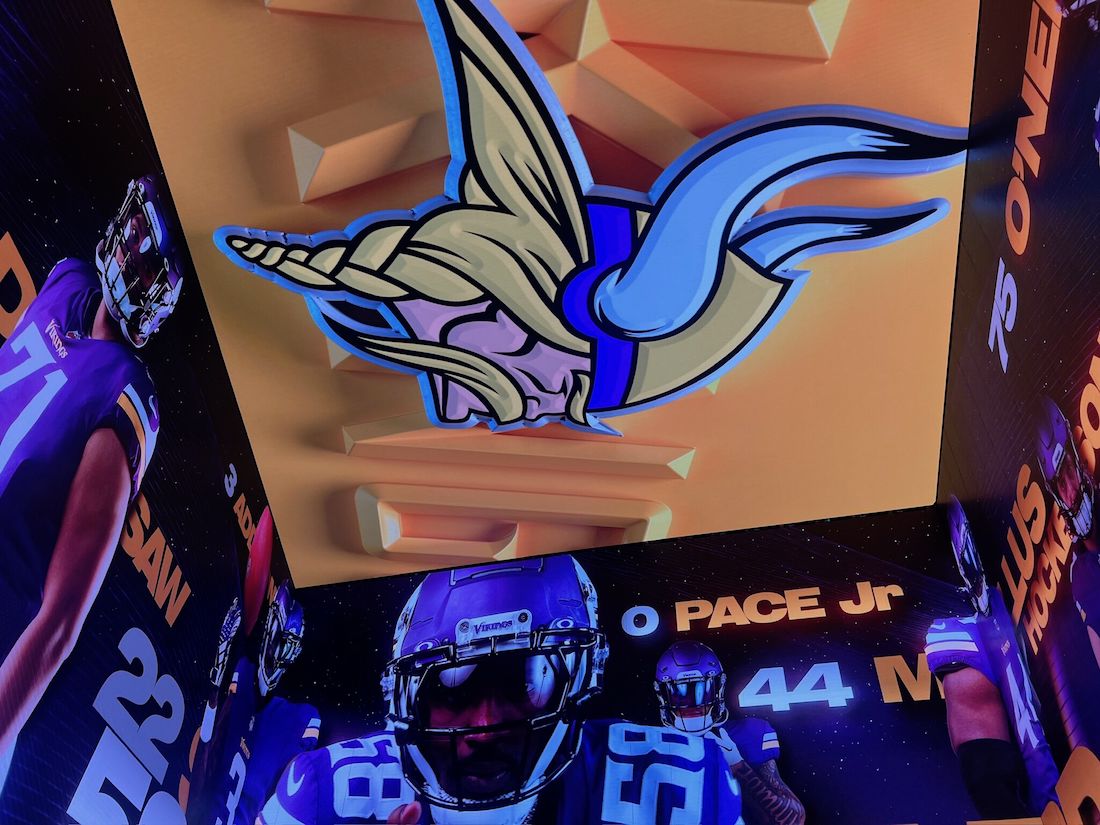
The result was an immersive activation that introduced new audiences to American football in a bold and memorable way. As Keisha Wyatt recalled, one visitor leaving the experience summed it up perfectly:
“I don’t know what that just was, but it was cool!”
That reaction speaks to the power of experiential storytelling done right: it doesn’t just inform, it leaves a lasting impression.
Crucially, the campaign wasn’t just about spectacle. It delivered measurable impact, shifting perceptions, driving engagement, and deepening community participation, demonstrating how experiential marketing can create both emotional and commercial value.
Designing for Participation, Not Just Attention
A key theme throughout the discussion was the shift from passive consumption to active participation.
Brands can no longer rely on audiences simply watching or observing. Instead, they must design experiences that invite fans to take part, whether that’s physically, socially, or digitally.
Rowena emphasised the importance of creating environments that encourage interaction, while Nadeem challenged brands to think beyond short-term visibility and focus on long-term impact. In a city like London, where culture is constantly evolving, brands have a responsibility to contribute meaningfully and not just “show up,” but leave something behind.
What Does “Where Fandom Lives” Really Mean?
As the conversation evolved, the panel explored what fandom looks like in 2026 and beyond.
It’s no longer confined to stadiums or screens. Fandom exists across:
Physical spaces and live experiences
Digital communities and social platforms
Rituals, behaviours, and shared identities
The most successful brands will be those that understand this ecosystem and show up authentically within it.
Looking Ahead: The Future of Fan Engagement
Closing the session, the panel shared perspectives on how fan expectations are set to evolve:
Greater demand for authenticity: Fans expect brands to respect and reflect their culture, not co-opt it.
Rise of creator and fan-led content: Communities are increasingly shaping their own narratives.
Dual experiences as the norm: Seamless integration between physical and digital will be essential.
Ultimately, with sport playing such a central role in shaping identity, brands carry a responsibility. As Keisha Wyatt noted, when you step into sport, you’re stepping into something deeply personal.
Final Takeaways
This session left us with three clear principles for brands looking to succeed in the world of sport:
Treat sport as culture, not just media
Understand its emotional and community-driven power and show up with purpose.Invest in shared, immersive experiences
Physical environments, amplified by digital, create deeper and more memorable engagement.Build with fans, not for them
The most impactful campaigns are rooted in real behaviours and leave a lasting legacy.
As we look ahead to a summer of sport, the opportunity for brands is clear: create something meaningful, memorable, and authentic and you won’t go far wrong.
To find out more about how your brand can activate at Outernet, please visit Outernet B2B or email [email protected]